When I was young, it was unheard of for a woman to enter a coffee shop.
Dad’s, granddads, young married men … a typical scene on rickety chairs, swirling a komboloi—worry beads—in their hands, talking money and land, politics and their kids, whilst women, I don’t have to tell you where the women were—
As the men’s conversations circled, exploring each topic, they would always come to the inevitable conclusion that Eh … zoume … we have life.
When I moved to the south west of the island in the 90s (and admittedly was plunged into a rural neighbourhood), the older generation kept this tradition up, albeit in the village kafeneia—coffee shops—again generations of men hanging out there with sometimes Brits, who were the main expat community in Paphos at the time, joining these locals on the very odd occasion for a kafe outside (Chloraka village comes to mind).
We left this island with my family in in ’94 for Bahrain, and then, returning three years on saw an influx of Pontic communities settling in Paphos working in service industries and as care workers and, in that Chloraka traditional coffee shop, a Bulgarian woman was both making (unheard of), and serving men their coffees.
This was a time when women began taking professional roles in banking, law, acquiring full time help in the home, beginning in Nicosia, Cyprus’s capital, then Limassol and Paphos. Having another yunaika—woman—in the home (not for all), to deal with chores and childcare, began to spread…
What fascinated me today, as I sat in Nero coffee shop in Paphos’ mall—and one might think the appearance of these chains, including Starbucks, Coffee Island, and more, would alter Cyprus’ culture, and in a way it has: one might see a couple of older men, the original kafeneio village types, meeting there, more seemingly silent observers now than deft debaters—what fascinated me was the conversation I could hear behind me …
‘Eh, once they’re married, and leave home …’
‘You know that one who … yes her, her.’
‘Or was it her, or was it him?’
‘Brota O Theos, Kori, God first, Girl …’
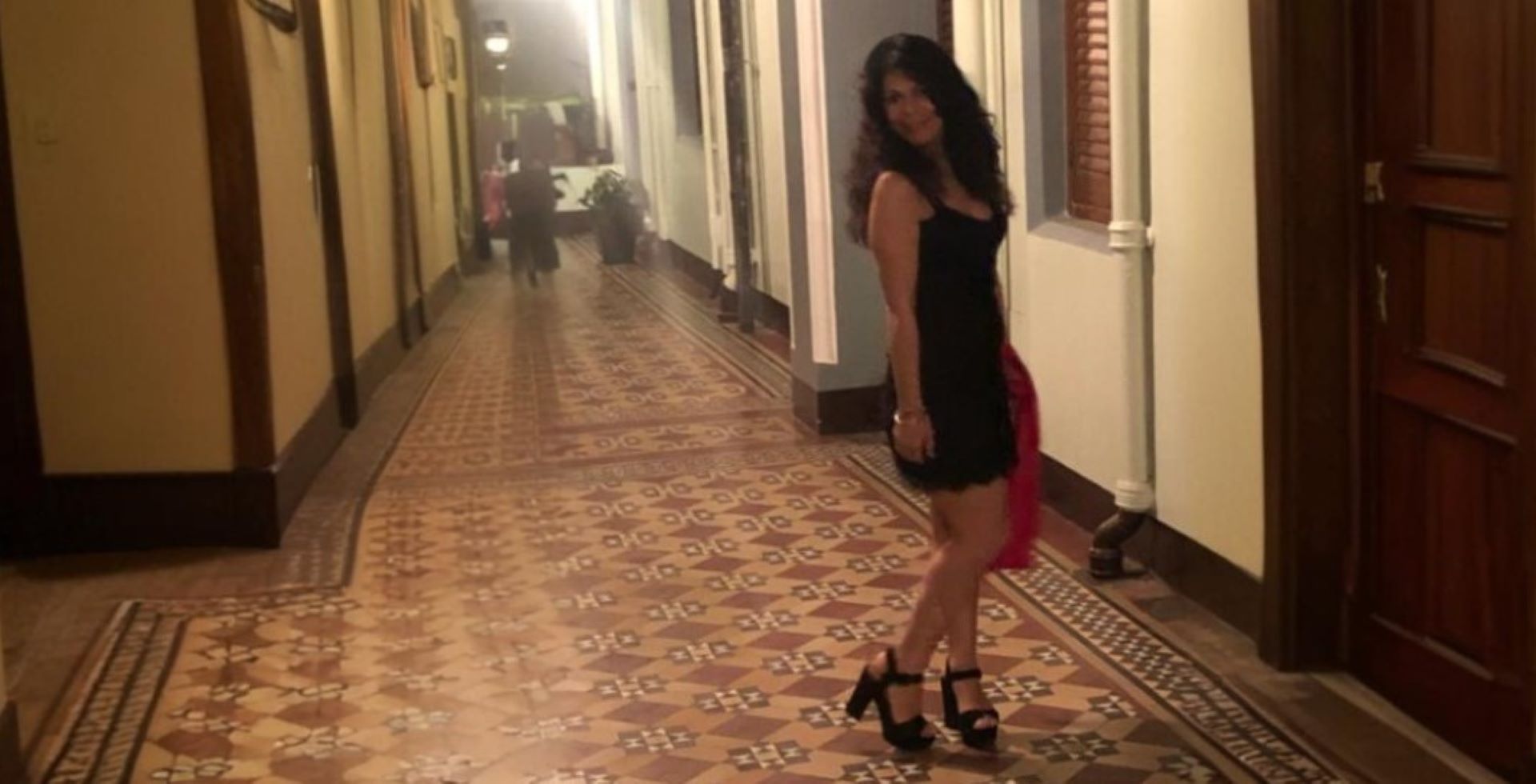
Villagers conversing, only this time generations of women: a glamorous twenty something year old and her ‘Auntie’ with flaming red hair, and— from what I think I could decipher—her mother, or the young girl’s grandmother in a fur coat and in her eighties.
They were polite and gracious but dug to the core like a chisel to its diamond, with anecdotes and phrases from the real land, relentless, especially the Auntie ringleader, who— with a few phone calls and the pushing together of several Nero tables—invited a handful of village men, who soon joined them.
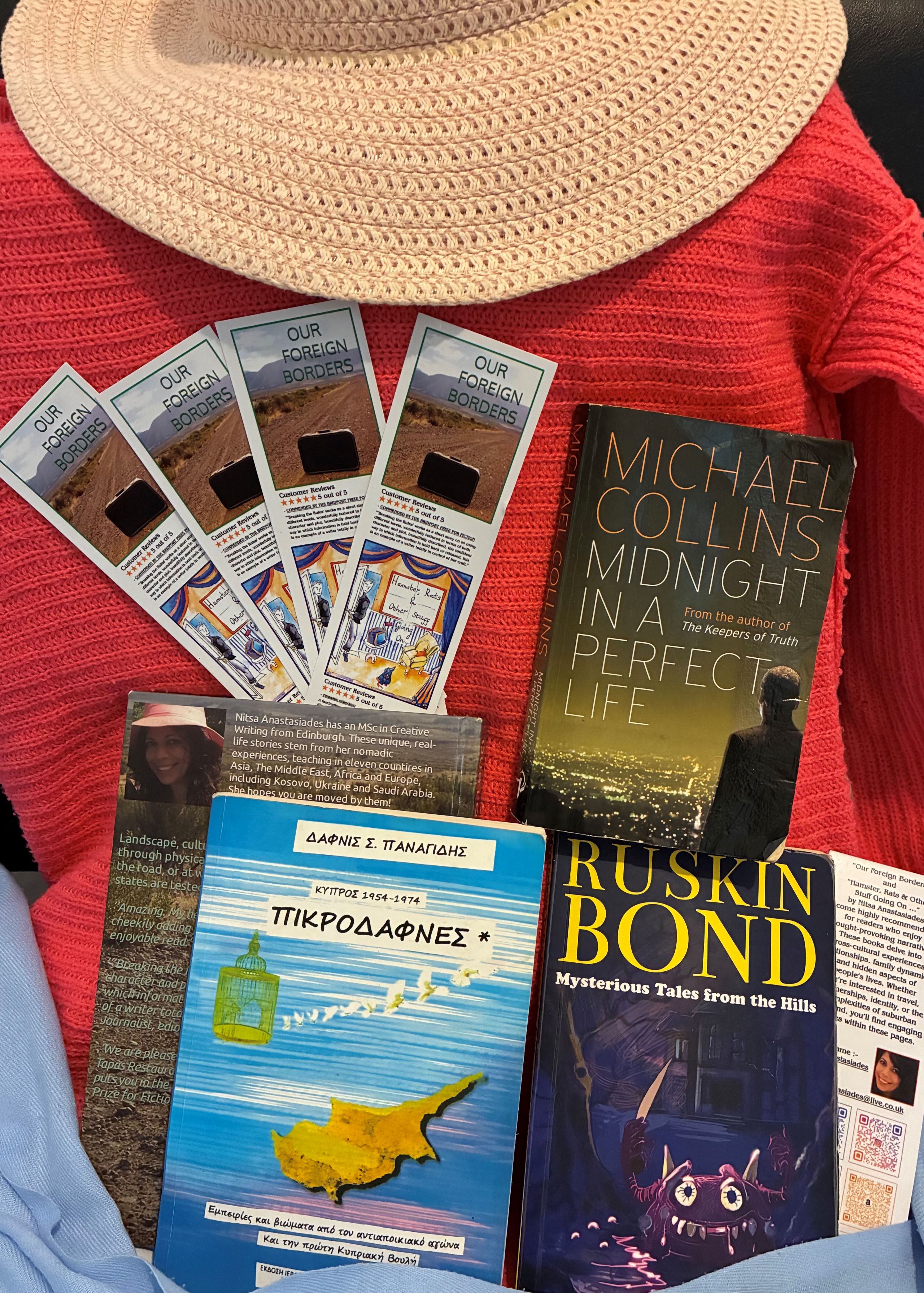
Micky Walsh, in his infamous Gypsy Boy memoir, speaks of a culture dating back centuries, a Romani people, who, despite persecution, strive to uphold their foreign customs, gender roles and early marriage within their uncompromising and traditional travelling way of life: they don’t mix with ‘Gorgias’— non Gypsy outsiders—considering them inferior, and rarely send their children to school, for fear they’ll taint their kids’ identity.
When left alone, Walsh claims, Romani’s live a peaceful life: only the Irish travellers compete with them for land on which to camp, leaving their litter and anger about.

Moreover, their insistence on living this way—and who can blame them for holding onto their roots (don’t we all, to some degree?)—he fears for his culture’s slow extinction—he instrumental in abandoning his family for the outside ‘Gorgia’ (us) world, when pressure to conform to male Romani cultural expectations becomes for him too much.
Cyprus, since I returned with my family in the mid-90s from working abroad, and then again thrice, to date, has seen an influx (like many countries around the world) of varying cultures, from Romania to China, Russia, Ukraine, more … and, recently, Germany. There are many reasons for this: tax being one, investment, a fantastic way of life, and others.
It always amazes me: shocks, then, I suppose, must please me when …
I was in Alphamega supermarket, in Paphos, the other day and overheard:
‘Imastan—we are—
banta kala—always well—
emeis—us,
banta etho—always here.’
–handing a kefalotiri cheese slice over the counter to an elderly Polish lady, and, from the same young twenty four or so year old lad:
‘Eftihos zoume, thank goodness’, he said … ‘we have life.’
To be ‘always here’, to have ‘always life’ is a mantra I’ve been hearing from my Cypriot parents, who emigrated to England in the late 1950s, and from those who passed before them.
Walsh’s father (Frank, in his book), refuses to acknowledge his son’s newfound, cross-cultural identity, when Walsh returns to make amends with his father who’d put out a ransom for his whereabouts, and a death threat on this, his eldest son, for leaving their community.
So, it begs the question: can we, as people, countries, live alone? And if we choose to ‘border’ ourselves from others, for the sake of our ‘pure’ (what does that mean to you?), or let’s say our ‘isolationistic’ identity, then at what end will be the cost?
The women in Cyprus in the twenty first century, old and young, enjoy coffee, now—out.
The men, too, from their traditional village kafeneia male-dominated local ones (which still exist), join them and have a natter, marvelling at the other cultures alongside them, which lends itself to—to paraphrase Walsh now; only regarding Greek Cypriots for the purpose of this essay:
‘You may never take the Cypriot out of the Cypriot, but you can certainly take them out of the village coffee shop’ (me).
Religion, of course, on the island, is constant, as is the local public school system which has remained virtually the same (and which many have called for reform), since its inception decades ago now. Need I say the influence this has had, and still remains for future generations: a culture living alongside others, each practicing their own root customs (one only has to see the rich and diverse cultural year-round events in Cyprus), enjoying, learning and co-existing.
Strong people, a strong economy.
Would you rather not be like this? And which countries have you experienced or indeed ‘come from’, that live this way, or better?
Or do you prefer (like many countries we know) to live alone?
Nitsa writes about cultures, landscapes, relationships and people. She’s lived in 11 countries in Asia, The Middle East, UK and Europe. Her work explores identity and what happens when people and cultures meet, as well as living in ‘foreign’ lands – fiction based on her true life experiences.
Check out her books:
Our Foreign Borders world stories
and
very British tales:
Hamster, Rats & Other Stuff Going On … on ‘My Books’ page, here @ nitsawrite.com
Picture of man in park: designed by Freepik
Copyright © 2026 Nitsa Anastasiades All rights reserved. Written content, photos and images may not be not be copied, distributed or used without permission from the author.